

What are Burns?
Burns are injuries that occur from exposure to high temperatures, damaging not only the outer layer of the skin but also the underlying tissues, including muscles and nerves. The protocols for how to treat a burn at home are determined by the severity of the injury, which is classified into three degrees: first-degree burns affect only the outer layer of skin; second-degree burns involve the epidermis and part of the dermis; and third-degree burns extend through the dermis, potentially affecting deeper tissues. Proper care and management are essential for each type. First-degree burns are typically treated with topical ointments and cooling methods, while more severe burns may require advanced medical interventions such as debridement, grafting, and specialized wound care.
How to Treat a Burn at Home?
- Cool the burn by running cool water over it for 10 to 15 minutes.
- Do not apply ice directly to the burn, as it can constrict blood vessels and potentially lead to further tissue damage.
- If the skin is broken and there are open wounds, gently clean the area with mild soap and warm water. Be cautious when using strong detergents or alcohol, as they may further irritate the skin. Pat the area dry with a clean, soft cloth.
- Do not break any blisters that form.
- Once the burn is sufficiently cooled, apply a soothing ointment or cream such as petroleum jelly or aloe vera. These substances can help to keep the area moisturized, promote healing, and reduce discomfort.
- For pain relief, you may use over-the-counter medications such as acetaminophen (Tylenol), ibuprofen (Advil, Motrin), or naproxen (Aleve). Follow the recommended dosage instructions on the packaging, and consult a healthcare professional if you have any concerns or if symptoms persist.
Over-the-Counter Options for Minor Burns?
- Bacitracin is utilized in the treatment of minor cuts, scrapes, scratches, and burns. This antibiotic effectively penetrates affected tissue and inhibits bacterial growth, promoting healing and reducing the risk of infection.
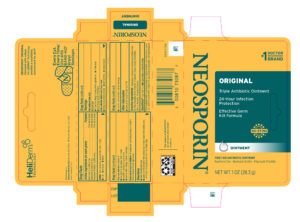
- Neosporin, known as Triple Antibiotic Ointment, contains three active ingredients: polymyxin B sulfate, bacitracin, and neomycin. Available in cream and ointment forms, the ointment’s higher oil content improves absorption by reducing evaporation from the skin.
- Polysporin is an effective double antibiotic ointment composed of bacitracin and polymyxin B, making it an ideal choice for individuals who are allergic to neomycin.
When to Consult a Doctor or Visit the Emergency Room?
- If the burn exceeds 3 inches in diameter, it is considered serious and requires immediate medical evaluation.
- When multiple extensive burns are present, it is essential to seek professional medical attention to assess the overall severity and determine the appropriate treatment thoroughly.
- If there is a significant risk of infection due to the burn’s exposed area, it is crucial to seek medical assistance promptly to prevent complications.
- Burns in sensitive areas, such as the hands, feet, face, groin, or buttocks, require immediate medical attention, as these locations can lead to more severe health consequences and may need specialized treatment.
How To Treat a Burn at Home – Conclusion
First-degree burns, which affect only the outer layer of skin (the epidermis), generally heal very well without the need for significant medical intervention. Symptoms typically include redness, minor swelling, and discomfort that can usually be managed with over-the-counter pain relief. It’s important to keep the affected area clean and moisturized, which can help soothe the skin and promote healing.
However, there are specific circumstances where medical attention is warranted. If the burn is extensive, involves sensitive populations such as infants or elderly individuals whose skin may be more fragile, or if you have any uncertainty regarding the burn’s severity, it is crucial to seek care at an emergency facility. These situations may require a more thorough evaluation and possible treatment to prevent complications. Always prioritize your health and safety in such cases!
If you have any questions about burns or want a live person to walk you through how to treat a burn at home, connect with a licensed pharmacist on-demand with Medidex Connect
Disclaimer: This website does not provide medical advice. No content on this site is intended to be a substitute for professional medical advice, diagnosis, or treatment. All content on this site is for educational and informational purposes only, does not constitute medical advice, and does not establish any kind of patient-provider or client-professional relationship by your use of this website. Although we strive to strictly provide accurate and up to date general information, content available on this site is not a substitute for professional medical advice, and you should not rely solely on the information provided here. Always seek the advice of your physician or other qualified healthcare provider with any questions you may have regarding medical conditions, treatments, or medications.